



Practitioners
News
New Study Reconfirms the Benefits of Touch
04/12/2024A recent study found that touch interventions were effective in helping regulate cortisol levels, reducing feelings of depression in adults, and having other significant benefits.
Louisiana Bill Proposes Massage Program Hour Increase
04/09/2024Effective October 1, 2024, Louisiana massage students will no longer be eligible for federal financial aid because massage programs are limited by Louisiana law. But there is a solution: Senate Bill 353 will increase the required education hours for massage licensure from 500 to 625. ABMP fully supports this bill, and we explain why you should too.
Increasing Education Hours: A Trend on the Rise
03/26/2024Due to a revised federal rule change, states with minimum-hour education requirements lower than 600 are considering increasing their massage therapy program length. Find out which states have already introduced bills that would raise education hours, which massage boards have proposed and made final rule changes, and why this is becoming a national trend.
Blog
Massage Therapists: How Adaptable Are You?
04/12/2024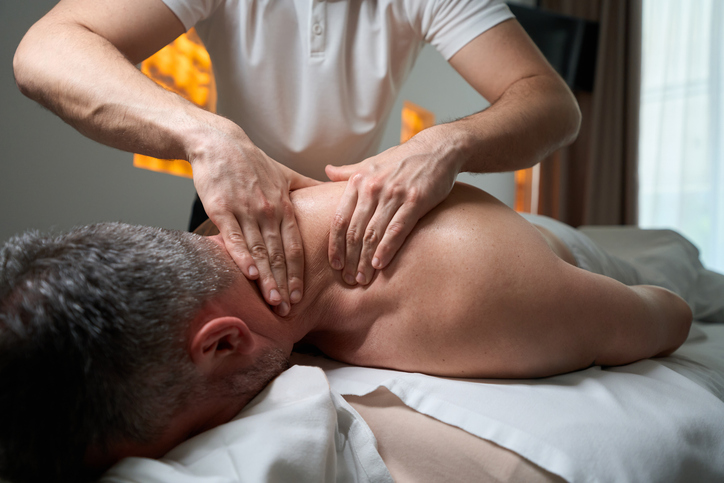
Every session requires the therapist to adapt to the needs of the client. Can you adapt?
What Is a Certificate of Insurance and Why Do I Need One?
03/14/2024
At some point, an employer, venue, or landlord might ask you for proof that you have insurance for your work as a massage therapist. Associated Bodywork & Massage Professionals (ABMP) can help with that.
ABMP CE Summit: Headaches
02/28/2024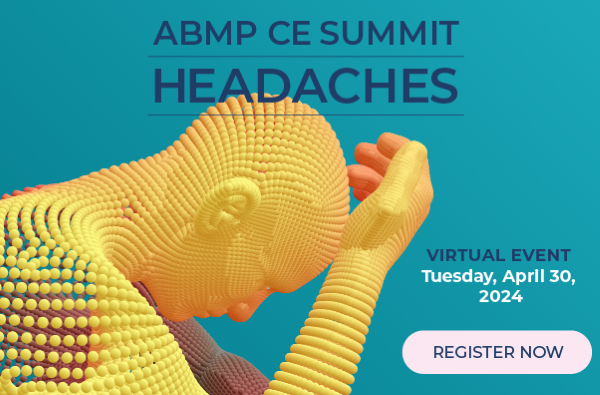
Join us online Tuesday, April 30, 2024, for the ABMP CE Summit: Headaches, which take learners on a journey from understanding headaches to working with clients with headache pain using multiple modalities and techniques.
Benefits
Podcast: Cancer, Clots, and COVID—A Complicated Client
03/20/2024A client was recently treated for colon cancer—and it didn’t go well. She had surgical complications, a bout of sepsis, and more. Is massage therapy safe? We discuss on this episode of “I Have a Client Who . . .” Pathology Conversations with Ruth Werner.
Podcast: The 4 Numbers to Know in Your Massage Business
03/07/2024Business or Pressure host Allissa Haines discusses the four numbers to know to consider the sustainability of your business.
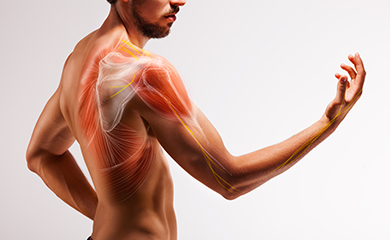
Featured ABMP Discount Partner: AnatomySCAPES
03/04/2024AnatomySCAPES provides online and in-person anatomy education to inspire hands-on practice with exceptional visual, interactive, and always relevant education.